
Indicative treatment cost in India
Transplants care in India
Bone Marrow Transplant treatment in India
Review the transplant types named by the source and prepare for specialist and donor-compatibility assessment.
Audited sourcesCare managerGlobal support
Care starts before you travelShare reports for a specialist-led review.
Request Estimate on WhatsApp
- Main pathways
- Autologous or donor transplant
- Donor search
- HLA-based when required
- Hospital phase
- Often 15–25 days
- Recovery
- Weeks to months
- Online report review
- Available
The treatment cost shown is an indicative estimate and not a final quotation. The final cost may vary depending on the patient’s medical condition, selected hospital, doctor, procedure complexity, investigations, room category, length of hospital stay and any additional treatment required.
Understanding your care
What is a bone marrow transplant?
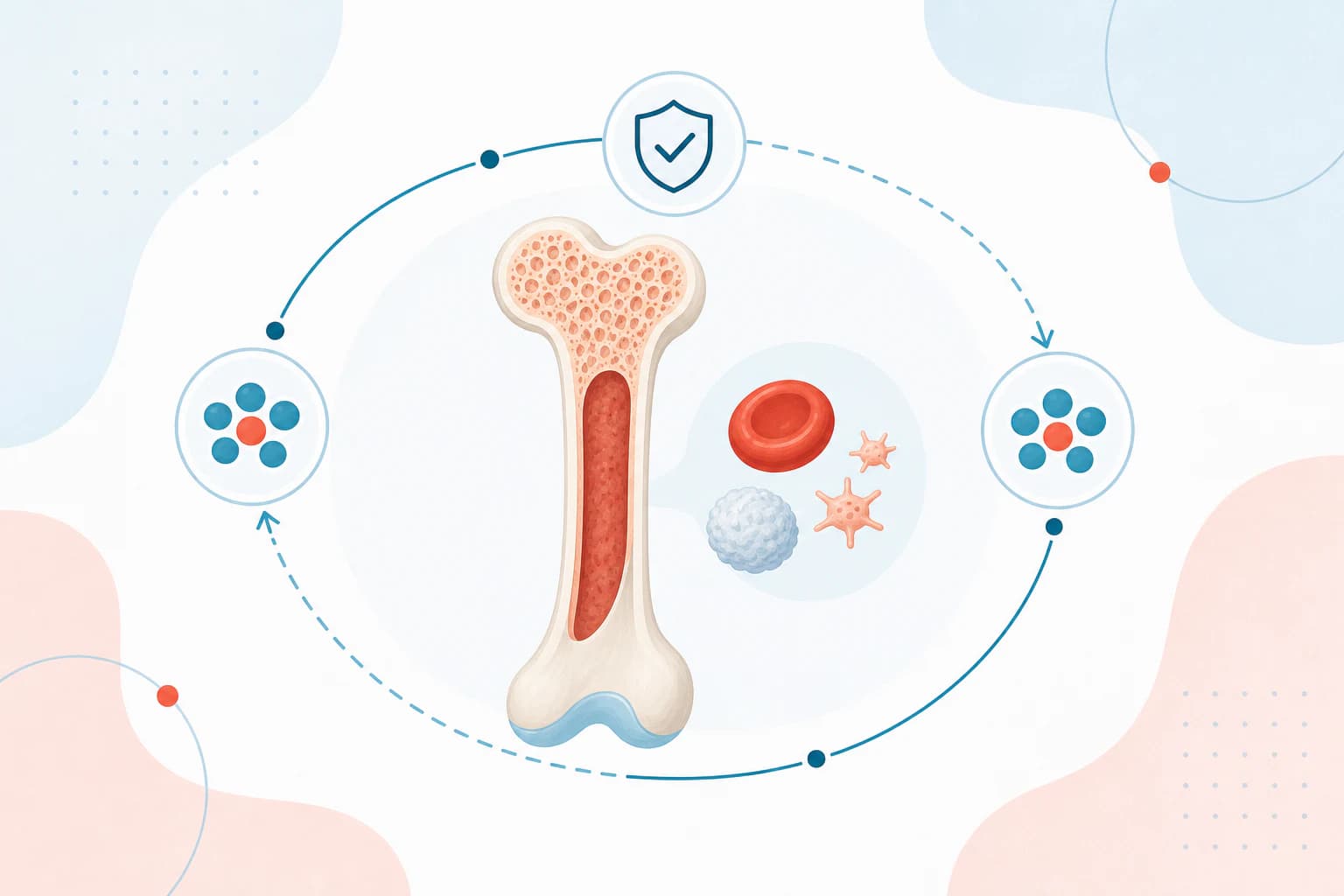
A bone marrow or hematopoietic stem-cell transplant replaces or restores blood-forming cells after a conditioning regimen. It may be considered for selected blood cancers, marrow-failure disorders, and inherited blood diseases.
The pathway requires diagnosis-specific review, tissue matching where relevant, infection prevention, a specialist transplant unit, and structured follow-up.
Speak with a medical coordinatorHow planning begins
Conditions and referrals
Conditions considered for specialist assessment
Unsure whether this pathway fits your diagnosis?Share your available reports for an appropriate specialist referral.
Request a case reviewTreatment options
Bone Marrow Transplant pathways considered after assessment
These options are educational, not a recommendation. The treating team selects a pathway after diagnosis and risk review.
Eligibility and evaluation
What the specialist team reviews
Eligibility information
Who may be eligible
- A diagnosis for which transplant may offer meaningful benefit
- Disease status and prior treatment suitable for the selected pathway
- Adequate organ function and performance status
- Acceptable infection risk and ability to complete prolonged follow-up
- A suitable stem-cell source when donor cells are required
Clinical evaluation
Evaluation may include
- Pathology and bone-marrow review
- Blood counts, chemistry, and disease-specific tests
- HLA typing and donor search
- Cardiac and pulmonary assessment
- Infection and viral screening
- Fertility, nutrition, and psychosocial counselling where appropriate
Your care journey
From first consultation to bone marrow transplant follow-up
Each milestone is confirmed by the clinical and coordination teams; timing changes with medical need.
7 connected milestones
One coordinated pathway, tailored to your care needs.
Transparent cost planning
Bone Marrow Transplant cost in India
Autologous, related-donor, unrelated-donor, and haploidentical pathways can have materially different costs.
Indicative source estimate
USD 16,000–45,000
Final cost follows clinical and hospital review.| Country or pathway | Indicative amount |
|---|---|
| India | USD 16,000–45,000 |
| Exact quotation | After disease and donor review |
Package may include
- Quoted pre-transplant investigations and HLA work-up
- Stem-cell collection or donor procedure stated in the package
- Conditioning, infusion, transplant-unit stay, and standard medicines
- Care coordination and follow-up planning
Usually excluded unless stated
- Unrelated-donor registry and procurement fees unless listed
- Treatment of severe infections, graft-versus-host disease, or complications
- Extended isolation or ICU stay
- Travel, accommodation, and post-discharge medicines unless stated
What changes the cost
- Autologous or donor transplant type
- Donor search and procurement
- Conditioning regimen and disease status
- Complications and duration of protected stay
Source note: The detailed source section also lists USD 20,000–40,000. Request a current written quotation.
Cost disclaimer: The treatment cost shown is an indicative estimate and not a final quotation. The final cost may vary depending on the patient’s medical condition, selected hospital, doctor, procedure complexity, investigations, room category, length of hospital stay and any additional treatment required.
Why Shinon Healthcare
International care, coordinated around you
We simplify access and logistics while medical decisions remain with qualified treating teams.
Benefits, risks, and recovery
Make an informed treatment decision
Your clinical team should explain expected benefit, alternatives, material risks, and the individual recovery plan before consent.
Potential benefits
- Access to multidisciplinary assessment at hospitals experienced in international patient care
- Coordinated appointments, travel planning, admission, and follow-up through one care manager
- An indicative treatment estimate and expected-stay plan before travel, subject to clinical review
- Transplant can restore blood-cell production or support disease control in appropriately selected patients
Risks and limitations
- Severe infection, bleeding, anemia, and organ toxicity
- Graft-versus-host disease after donor transplant
- Failure or delay of engraftment
- Disease relapse, infertility, and longer-term treatment effects
After treatment
Recovery and infection precautions
Blood counts and signs of infection are monitored while engraftment develops. Discharge occurs only when the transplant team considers it safe.
Immune recovery takes time. Follow-up may include medicines, vaccinations, infection precautions, disease monitoring, and management of graft-versus-host disease.
- Transplant-unit stay
- Often 15–25 days
- Early follow-up
- Frequent after discharge
- Immune recovery
- Often several months
- Return to routine
- Individual and diagnosis-dependent
Patient support
Practical help before, during, and after treatment
- 01
Medical report review
We organize available reports for review by an appropriate hospital team before travel planning begins.
- 02
Hospital and specialist coordination
A dedicated care manager helps coordinate appointments with providers linked to this treatment pathway.
- 03
Visa and travel assistance
Support includes medical-visa documentation, airport coordination, accommodation guidance, and local logistics.
- 04
Transparent care planning
Patients receive the available treatment plan, indicative estimate, expected stay, and known exclusions before making a decision.
- 05
Discharge and follow-up support
We help coordinate discharge records, online follow-up, and communication with the treating team after the patient returns home.
Partner hospitals
Hospitals connected to bone marrow transplant
Cards use verified CMS treatment relationships; final suitability depends on your medical and practical needs.
 Faridabad
 Gurugram
 Rajendra Place
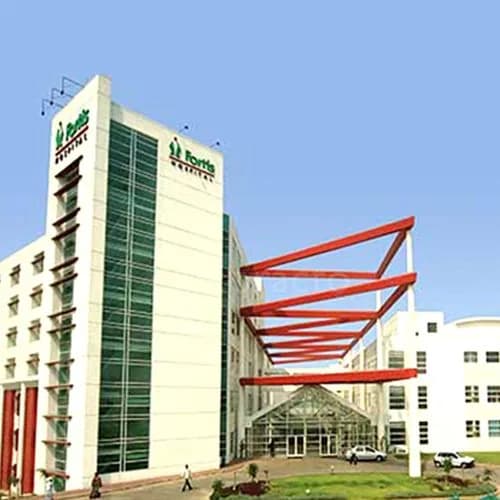 Noida
Noida Shalimar Bagh
 Gurugram
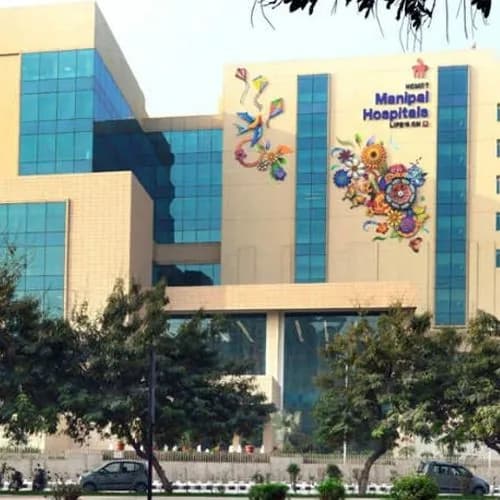 Dwarka
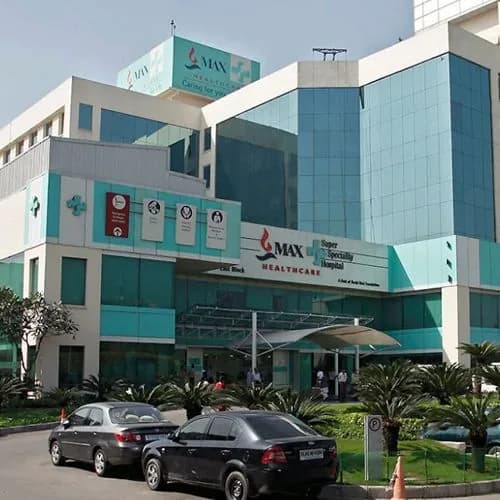 Saket
Saket
Expert doctors
Specialists connected to bone marrow transplant
Profiles are drawn from the treatment-linked provider registry and should be reviewed alongside your diagnosis.
 Hematology
Dr. Nivedita Dhingra
MBBS, MD (Paediatrics), DM (Clinical Hematology), FNB (Pediatric Hemato-Oncology)

 Bone Marrow Transplant
Dr. Ashok Vaid
MBBS, DNB (General Medicine), DM (Oncology)

 Bone Marrow Transplant
Dr. Dharma Choudhary
MBBS, MD (Internal Medicine), DM
 Bone Marrow Transplant
Dr. Divya Bansal
MBBS, DNB (Paediatrics), DM
Frequently asked questions
Questions about bone marrow transplant care in India
No. The transplant type, donor, conditioning, timing, and expected benefit depend on the exact disease and prior treatment.
Your next step
Get a personalized bone marrow transplant care plan
Share available medical reports to receive specialist coordination, an indicative estimate, and a practical travel plan.