
Indicative treatment cost in India
Transplants care in India
Liver Transplant treatment in India
Understand the transplant pathways described by the source and prepare for an individual specialist assessment.
Audited sourcesCare managerGlobal support
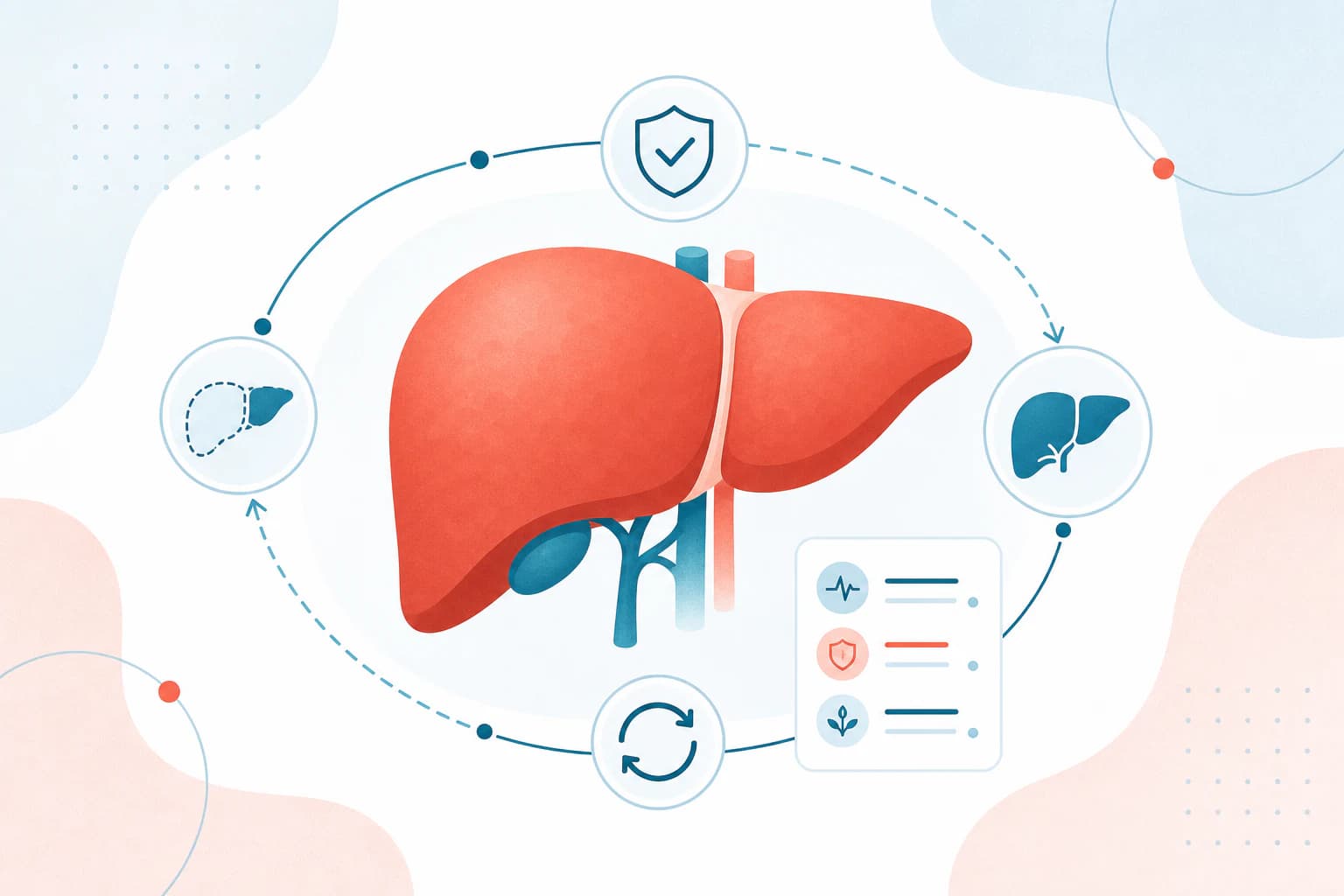
Care starts before you travelShare reports for a specialist-led review.
Request Estimate on WhatsApp
- Typical surgery time
- About 8–12 hours
- Hospital stay
- Often 15–21 days
- Transplant pathways
- Living or deceased donor
- Long-term care
- Lifelong monitoring and medicines
- Online report review
- Available
The treatment cost shown is an indicative estimate and not a final quotation. The final cost may vary depending on the patient’s medical condition, selected hospital, doctor, procedure complexity, investigations, room category, length of hospital stay and any additional treatment required.
Understanding your care
What is a liver transplant?
A liver transplant replaces a severely damaged liver with a healthy donor liver or a portion of one. It may be considered when advanced liver disease, acute liver failure, or selected liver cancers cannot be managed adequately with other treatment.
Patients travel to India for access to established living-donor programs, multidisciplinary transplant teams, and coordinated international-patient services. Shinon Healthcare helps organize specialist review, hospital selection, travel, admission, and follow-up without determining clinical eligibility.
Speak with a medical coordinatorHow planning begins
Conditions and referrals
Who may need liver transplant evaluation?
These conditions can lead to referral, but only a transplant team can decide whether transplantation is appropriate.
Unsure whether this pathway fits your diagnosis?Share your available reports for an appropriate specialist referral.
Request a case reviewTreatment options
Liver Transplant pathways considered after assessment
These options are educational, not a recommendation. The treating team selects a pathway after diagnosis and risk review.
Eligibility and evaluation
What the specialist team reviews
Eligibility information
Who may be eligible
Evaluation commonly considers disease severity, expected benefit, and the patient's ability to undergo surgery and long-term care.
- End-stage liver disease or selected acute liver failure
- Selected liver cancers within transplant criteria
- Adequate heart and lung fitness for major surgery
- No uncontrolled infection or other condition that makes transplantation unsafe
- Readiness for medicines, monitoring, abstinence requirements, and long-term follow-up
Clinical evaluation
Evaluation may include
- Blood tests and liver-function assessment
- Ultrasound, CT, MRI, or other imaging selected by the team
- Cardiac and pulmonary assessment
- Viral and infection screening
- Cancer assessment when relevant
- Nutrition assessment
- Psychological and social evaluation
- Complete medical-history and medication review
Your care journey
From first consultation to liver transplant follow-up
Each milestone is confirmed by the clinical and coordination teams; timing changes with medical need.
7 connected milestones
One coordinated pathway, tailored to your care needs.
Transparent cost planning
Liver Transplant cost in India
The published estimate is indicative and must be replaced by a hospital quotation after recipient and donor review.
Indicative source estimate
USD 20,000–30,000
Final cost follows clinical and hospital review.| Country or pathway | Indicative amount |
|---|---|
| India | USD 20,000–30,000 |
| Singapore | USD 66,000–84,000 |
| United Kingdom | USD 110,000–145,000 |
| United States | USD 145,000–180,000 |
Package may include
- Recipient investigations listed in the treatment plan
- Transplant surgery, operating theatre, ICU, and standard hospital stay
- Surgeon and hospital-team fees stated in the quotation
- Standard medicines and consumables during the quoted admission
- Shinon travel, visa, and care-coordination support
Usually excluded unless stated
- Treatment of unrelated or newly discovered conditions
- Extended ICU or hospital stay and management of complications
- Unlisted high-cost medicines, blood products, or procedures
- Flights, accommodation, meals, and personal expenses unless stated
What changes the cost
- Living- or deceased-donor pathway
- Recipient and donor evaluation needs
- Hospital, room, ICU, and length of stay
- Clinical complexity, complications, and medicines
Source note: The detailed source section also lists USD 22,000–30,000 and an FAQ cites INR 20–28 lakh. Request a current written quotation.
Cost disclaimer: The treatment cost shown is an indicative estimate and not a final quotation. The final cost may vary depending on the patient’s medical condition, selected hospital, doctor, procedure complexity, investigations, room category, length of hospital stay and any additional treatment required.
Why Shinon Healthcare
International care, coordinated around you
We simplify access and logistics while medical decisions remain with qualified treating teams.
Benefits, risks, and recovery
Make an informed treatment decision
Your clinical team should explain expected benefit, alternatives, material risks, and the individual recovery plan before consent.
Potential benefits
- Access to multidisciplinary assessment at hospitals experienced in international patient care
- Coordinated appointments, travel planning, admission, and follow-up through one care manager
- An indicative treatment estimate and expected-stay plan before travel, subject to clinical review
- A functioning graft may restore essential liver function in appropriately selected patients
Risks and limitations
- Bleeding, infection, blood clots, bile-duct or vascular complications
- Primary graft dysfunction or rejection
- Side effects and infection risk related to immunosuppressant medicines
- Need for repeat procedures, readmission, or retransplant assessment in some cases
After treatment
Recovery and aftercare
Recovery begins with close ICU and ward monitoring. The treating team gradually advances walking, nutrition, medicines, and self-care before discharge.
Long-term care includes immunosuppressant medicines, blood tests, infection precautions, and scheduled transplant follow-up.
- ICU and ward care
- Based on clinical progress
- Supported walking
- Often begins within 4–5 days
- Light activity
- Often around 3–4 weeks
- Full recovery
- Can continue for many months
Patient support
Practical help before, during, and after treatment
- 01
Medical report review
We organize available reports for review by an appropriate hospital team before travel planning begins.
- 02
Hospital and specialist coordination
A dedicated care manager helps coordinate appointments with providers linked to this treatment pathway.
- 03
Visa and travel assistance
Support includes medical-visa documentation, airport coordination, accommodation guidance, and local logistics.
- 04
Transparent care planning
Patients receive the available treatment plan, indicative estimate, expected stay, and known exclusions before making a decision.
- 05
Discharge and follow-up support
We help coordinate discharge records, online follow-up, and communication with the treating team after the patient returns home.
Partner hospitals
Hospitals connected to liver transplant
Cards use verified CMS treatment relationships; final suitability depends on your medical and practical needs.
 Noida
Noida Gurugram
 Kochi
Kochi Rajendra Place
 Mohali
 Gurugram
 Mumbai
 Dwarka
Expert doctors
Specialists connected to liver transplant
Profiles are drawn from the treatment-linked provider registry and should be reviewed alongside your diagnosis.


 Liver Transplant
Dr. Ajitabh Srivastava
MBBS, MS (General Surgery), DNB (General Surgery), FACS


 Liver Transplant
Dr. Arvinder Singh Soin
MBBS, FRCS (General Surgery)
Frequently asked questions
Questions about liver transplant care in India
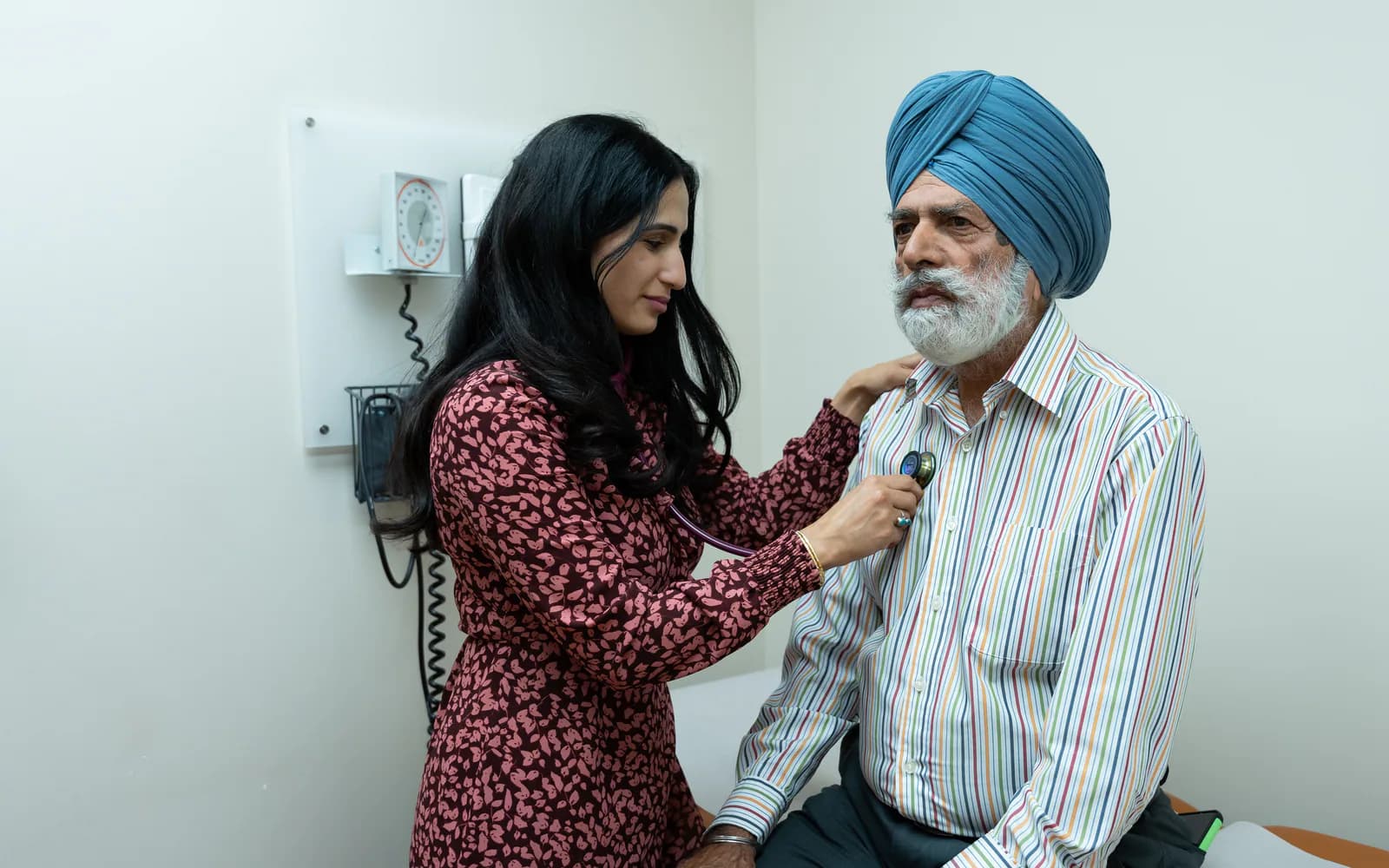
A transplant team reviews liver disease severity, overall fitness, infection and cancer status, psychosocial readiness, and the ability to follow lifelong care. A website or preliminary call cannot confirm candidacy.
Your next step
Get a personalized liver transplant care plan
Share available medical reports to receive specialist coordination, an indicative estimate, and a practical travel plan.