
Indicative treatment cost in India
Transplants care in India
Cornea Transplant treatment in India
Understand the corneal care pathways described by the source before an ophthalmologist recommends an approach.
Audited sourcesCare managerGlobal support

Care starts before you travelShare reports for a specialist-led review.
Request Estimate on WhatsApp
- Procedure time
- Often 30–60 minutes
- Admission
- Frequently day care
- Vision recovery
- Weeks to months
- Follow-up
- Regular eye examinations
- Online report review
- Available
The treatment cost shown is an indicative estimate and not a final quotation. The final cost may vary depending on the patient’s medical condition, selected hospital, doctor, procedure complexity, investigations, room category, length of hospital stay and any additional treatment required.
Understanding your care
Restoring a damaged cornea
Cornea transplant surgery replaces all or part of a cloudy, scarred, or structurally damaged cornea with donor tissue. The technique is selected after detailed eye examination and corneal imaging.
Many procedures are completed as day surgery, but visual recovery and rejection monitoring continue for months.
Speak with a medical coordinatorHow planning begins
Conditions and referrals
When cornea transplant may be discussed
Unsure whether this pathway fits your diagnosis?Share your available reports for an appropriate specialist referral.
Request a case reviewTreatment options
Cornea Transplant pathways considered after assessment
These options are educational, not a recommendation. The treating team selects a pathway after diagnosis and risk review.
Eligibility and evaluation
What the specialist team reviews
Eligibility information
Eligibility considerations
- Corneal damage that significantly affects vision or eye integrity
- A condition suitable for a donor-tissue or artificial-cornea approach
- Control of active eye infection or inflammation where possible
- Ability to use eye drops and attend prolonged follow-up
- Realistic visual expectations based on the rest of the eye
Clinical evaluation
Eye evaluation may include
- Visual acuity and refraction
- Slit-lamp examination
- Corneal topography or tomography
- Corneal thickness and endothelial-cell assessment
- Retinal and optic-nerve review where possible
- Review of infection, glaucoma, prior surgery, and medicines
Your care journey
From first consultation to cornea transplant follow-up
Each milestone is confirmed by the clinical and coordination teams; timing changes with medical need.
6 connected milestones
One coordinated pathway, tailored to your care needs.
Transparent cost planning
Cornea Transplant cost in India
The exact cost depends on transplant technique, donor tissue, tests, anesthesia, and associated eye conditions.
Indicative source estimate
USD 2,000–3,000 per eye
Final cost follows clinical and hospital review.| Country or pathway | Indicative amount |
|---|---|
| India | USD 2,000–3,000 per eye |
| Thailand | USD 3,500–6,000 |
| United Kingdom | USD 8,000–15,000 |
| United States | USD 13,000–27,000 |
Package may include
- Quoted eye evaluation and corneal imaging
- Donor tissue and surgery when specified
- Standard anesthesia, day-care stay, and early medicines
- Care and follow-up coordination
Usually excluded unless stated
- Treatment of glaucoma, retinal disease, or unrelated eye conditions
- Repeat surgery or complication management
- Long-term eye drops and corrective lenses unless listed
- Travel and accommodation unless stated
What changes the cost
- Full-thickness, lamellar, endothelial, or artificial-cornea technique
- Donor tissue and eye-bank charges
- Associated eye disease or previous surgery
- Anesthesia and follow-up requirements
Source note: The detailed comparison section also lists USD 800–2,000. Request a current written quotation.
Cost disclaimer: The treatment cost shown is an indicative estimate and not a final quotation. The final cost may vary depending on the patient’s medical condition, selected hospital, doctor, procedure complexity, investigations, room category, length of hospital stay and any additional treatment required.
Why Shinon Healthcare
International care, coordinated around you
We simplify access and logistics while medical decisions remain with qualified treating teams.
Benefits, risks, and recovery
Make an informed treatment decision
Your clinical team should explain expected benefit, alternatives, material risks, and the individual recovery plan before consent.
Potential benefits
- Access to multidisciplinary assessment at hospitals experienced in international patient care
- Coordinated appointments, travel planning, admission, and follow-up through one care manager
- An indicative treatment estimate and expected-stay plan before travel, subject to clinical review
- A successful graft may improve corneal clarity, vision, comfort, or structural integrity
Risks and limitations
- Graft rejection or failure
- Infection, bleeding, inflammation, or wound problems
- Glaucoma, cataract, astigmatism, or need for corrective lenses
- Slow visual recovery or need for additional procedures
After treatment
Vision recovery and aftercare
Patients use prescribed eye drops, avoid rubbing or injury, and attend scheduled examinations. Vision may fluctuate while the graft heals.
Urgent review is required for symptoms such as increasing redness, pain, light sensitivity, or reduced vision.
- Discharge
- Often the same day
- Early review
- As directed by the surgeon
- Vision improvement
- Usually gradual
- Long-term checks
- Required for rejection monitoring
Patient support
Practical help before, during, and after treatment
- 01
Medical report review
We organize available reports for review by an appropriate hospital team before travel planning begins.
- 02
Hospital and specialist coordination
A dedicated care manager helps coordinate appointments with providers linked to this treatment pathway.
- 03
Visa and travel assistance
Support includes medical-visa documentation, airport coordination, accommodation guidance, and local logistics.
- 04
Transparent care planning
Patients receive the available treatment plan, indicative estimate, expected stay, and known exclusions before making a decision.
- 05
Discharge and follow-up support
We help coordinate discharge records, online follow-up, and communication with the treating team after the patient returns home.
Partner hospitals
Hospitals connected to cornea transplant
Cards use verified CMS treatment relationships; final suitability depends on your medical and practical needs.
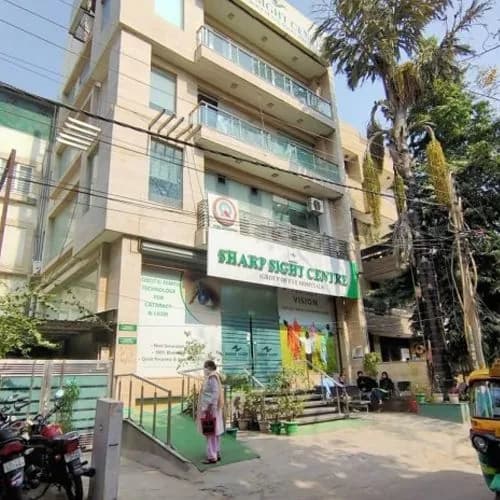 Preet Vihar
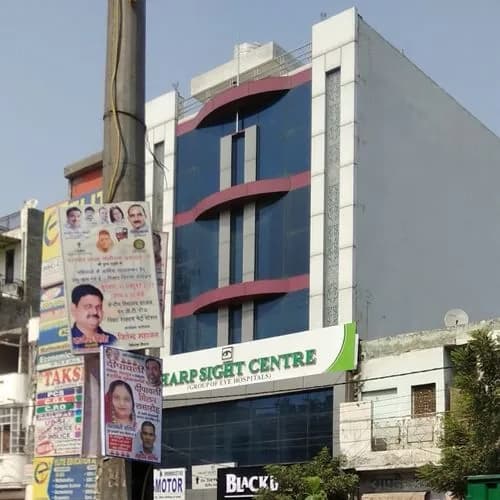 Shahdara
Expert doctors
Specialists connected to cornea transplant
Profiles are drawn from the treatment-linked provider registry and should be reviewed alongside your diagnosis.


Frequently asked questions
Questions about cornea transplant care in India
No. Vision commonly changes gradually over weeks or months and depends on graft healing and the health of the retina, optic nerve, and rest of the eye.
Your next step
Get a personalized cornea transplant care plan
Share available medical reports to receive specialist coordination, an indicative estimate, and a practical travel plan.